Nerves, Bare Feet and a Bit of Floorwork: Your First Contemporary Class, Demystified
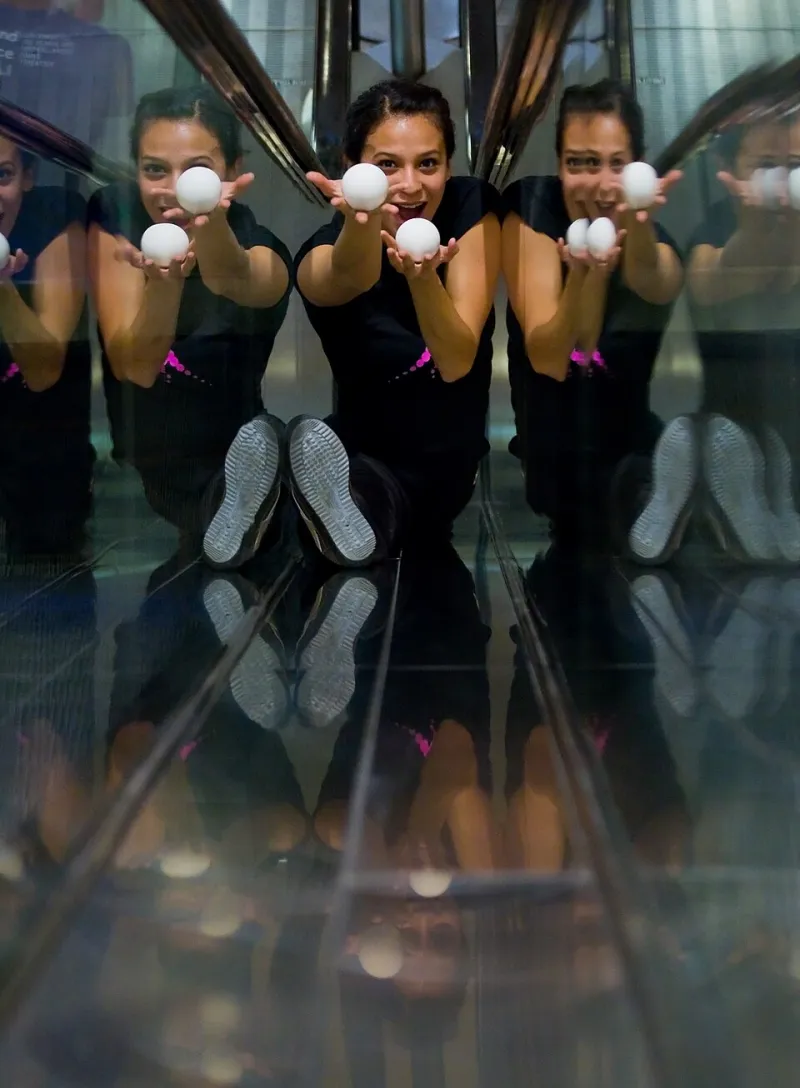
Photo: Maurice from The Hague (Den Haag), the Netherlands (Nederland), CC BY 2.0, via Wikimedia Commons
The most common thing people say to us before their first workshop is some version of: I'm not flexible enough. It's almost never true, and it's almost never the point. Contemporary dance isn't an audition for a gymnastics squad — it's a way of moving with intention, and everybody arrives with a body that can do that.
So here's the honest, unglamorous guide to what actually happens in one of our sessions, from the warm-up to the bit where you're lying on the floor wondering if you've forgotten your own name.
What to wear (and what to leave at home)
Layers, basically. You'll be cold in the first ten minutes and warm thirty minutes later, so a T-shirt over a long-sleeve top beats one thick jumper. Leggings or loose joggers both work — nothing so baggy that a teacher can't see your knees tracking. Avoid jeans, belts, zips and anything with a lot of hardware.
Bring a water bottle, a small towel, and knee pads if you have them. If you don't, a pair of thick socks pulled over the knee is a genuinely respectable substitute, and plenty of regulars still do it. Hair tied back if it's long. No jewellery, no watches, no strong perfume — you'll be close to other people and you'll be on the floor.
The warm-up isn't what you remember from school
Expect twenty minutes or so of proper preparation: spine articulation, ankle and hip mobility, some cardiovascular work, and a lot of attention to the feet. We're usually barefoot, which surprises people who've only done street or ballet. Bare feet give you feedback, and feedback is half of contemporary technique.
Don't skip the warm-up because you're running late. It's not a formality. If you arrive late, join quietly and take an extra five minutes on the ankles — a lot of the work lives there and cold ankles are unforgiving.
Improvisation: the bit everyone worries about
This is where the nerves peak. Somebody says the word 'improvisation' and half the room mentally leaves the building.
Here's the truth: nobody is watching you, because they're all busy worrying about themselves. Improvisation tasks are almost always structured. You'll be given a score, a constraint, an image, a rhythm, or a partner. It might be as simple as moving through the space with a single body part leading, or making a phrase out of three gestures and repeating it until it feels like yours. It's rarely 'just do whatever you like for ten minutes', which is the version people dread.
If you freeze — and most people do at least once — the useful move is to slow down rather than stop. Slow is a choice. Stopping is a dead end.
Floorwork: down, and then importantly back up
Contemporary floorwork is often the part that wins people over, and it's the part that needs the most respect. Rolls, low balances, sliding weight transfers, getting up without using your hands. It looks effortless on stage and it is genuinely skilled, which is why we teach it slowly.
Expect to start small: rocking along the spine, learning to find the floor with your back rather than dropping onto it. Knee pads earn their keep here. So does a teacher who'll check in on you rather than assume you're fine.
Learning repertoire: how a phrase actually sticks
Most workshops finish with a chunk of set movement. In a Joss Arnott Dance session that tends to mean something rhythmic, punchy and slightly relentless — our work draws on a lot of musical drive, so phrases often start with the music rather than in spite of it.
The trick nobody tells you: don't try to remember the whole phrase at once. Learn the first four counts properly, then the next four. Mark it small before you do it big. And if you lose your place — stand still, find the music, come back in. Everyone on every professional stage has done exactly that.
Looking after yourself
Three things. First, tell the teacher about anything relevant before you start: a dodgy ankle, a shoulder that's been complaining, asthma, a pregnancy, anything at all. Nobody will make it a thing, and it genuinely changes what we offer you.
Second, don't stretch cold. Before class, move rather than reach. After class, when you're genuinely warm, that's the moment for the calf and hamstring work.
Third, expect to be sore for a day or two, especially after your first session with floorwork. That's normal. Rest, drink water, and don't decide you're broken. If a specific joint hurts rather than a general ache, say something and get it looked at — physios who work with dancers exist and they're worth the money.
The mindset bit
You are not being assessed. There's no audition at the end. If you spend the whole class comparing yourself to the person in front, you'll miss the actual experience, which is a room full of people concentrating hard together and getting slightly better.
Ask questions. Take the modification. Leave before the end if you need to. Nobody is keeping score.
Finding the right class in the UK in 2026
Start local. Regional theatres and arts centres often host company workshops alongside touring dates, which is how a lot of people find us. Dance colleges, CAT schemes and youth companies run open sessions. One Dance UK signposts opportunities, and most companies — ourselves included — post class dates on their socials before they hit anywhere else.
If you're in a city with a dedicated dance house, look for an open or beginners-level contemporary class rather than the technique class aimed at vocational students. If you're not, check the venues within an hour's travel and sign up to their mailing lists; touring workshops often sell out quietly.
And if you come to one of ours, say hello afterwards. The dancers are always happy to talk, and we rather like hearing which bit nearly finished you off.