The Kit Bag Doctrine: Ten Small Objects That Carry a Touring Dancer Through a UK Run
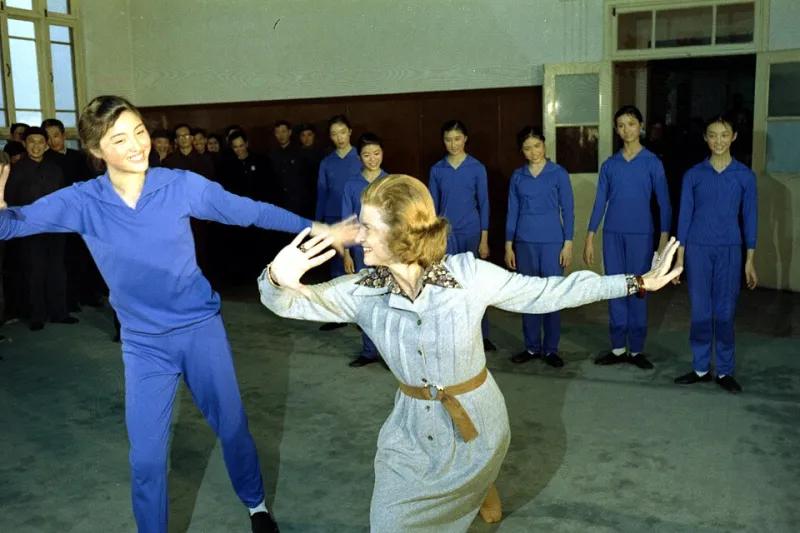
Photo: Karl Schumacher, Public domain, via Wikimedia Commons
A touring dancer’s bag is rarely elegant. It smells faintly of rosin and tea. It has a crumpled receipt from a motorway services in the side pocket. And somewhere near the bottom, wrapped around a spare hairband, is the thing that will save the day at 7.42pm when the house is already filling up.
At Joss Arnott Dance, we spend a lot of time in studios, village halls, mid-scale theatres and the kind of dressing rooms where the radiator has two settings: off and tropical. Over the years, the kit bag has become less about packing for a tour and more about building a small, portable support system. Not every object is glamorous. None of them are optional.
So here is the kit bag doctrine: ten objects a touring dancer never leaves behind, and what each one quietly tells you about preparation, recovery and life on the road in the UK.
The things that stop a small problem becoming a cancelled show
1. Zinc oxide tape. Not just for toes. A strip of this stuff can hold a blister plaster in place, reduce friction inside a shoe, tape down a loose cable in a rehearsal room or mark a quick change spot on a black floor. It is the dancer’s answer to gaffer tape, and it lives in a sandwich bag because loose tape in a bag becomes a sticky mess by Wednesday.
2. A mini first-aid pouch. The contents are boring and brilliant: plasters, blister plasters, antiseptic wipes, a couple of painkillers, a sachet of rehydration powder. Nothing here is dramatic. That’s the point. A touring dancer does not want to be hunting for a late-night pharmacy in an unfamiliar town because a small cut has decided to become a bigger problem. The pouch says: you are responsible for your own small emergencies.
3. A resistance band. It weighs almost nothing and turns any hotel room, backstage corridor or cramped dressing room into a warm-up space. Ankle circles, glute activation, shoulder opening — the band is less about building strength on tour and more about reminding the body what it feels like to move before the day asks it to perform. On a long train journey, it is also a very good fidget toy for restless feet.
The things that make a cold room feel workable
4. Thick socks or leg warmers. UK venues are full of surprises, and not all of them are pleasant. There is the hall where the heating clicks off at 6pm. The theatre where the stage floor is colder than the beer fridge. The studio where the only warm spot is directly under the hand dryer. Thick socks are not a fashion statement. They are a small act of self-preservation, and they make the first ten minutes of a class or company warm-up feel considerably less like an endurance test.
5. A wide-neck water bottle. Wide-neck because it is easier to fill from a tap that is too low, a kettle that is too small or a venue sink with the pressure of a dying hose. Hydration is basic, but the bottle also becomes a marker: it sits at the edge of the studio and says, this is my space, this is my day, I am looking after it. On a hot get-out, it is the thing you reach for before you reach for your phone.
6. A microfibre towel. Smaller than a hand towel, quicker to dry than cotton, and useful for far more than sweat. It can wipe a damp floor before a run, dry a pair of shoes between shows, or sit on a changing-room bench so you are not putting your bare feet where a hundred other feet have been. It is the least romantic object in the bag and one of the most used.
7. A dry bag or a sturdy plastic bag. Wet costumes, muddy trainers, a leaking bottle, a damp towel that has been festering since Leeds. A dry bag keeps the clean separate from the not-clean, which matters more than you think when you are living out of a holdall for a week. It is also useful for getting a sweaty dance belt or a pair of tights home without infecting the rest of your life.
The things that keep the person inside the dancer going
8. Tea bags. Yorkshire Tea, if we are being specific, but any decent bag will do. A touring dancer learns quickly that the green room kettle is a social contract. Offering someone a brew is a way of saying: I see you, I know your train was delayed, I know the stage is raked and your knees are not happy. Tea bags are not a snack. They are a small piece of home that travels well.
9. A notebook and a pencil. The notebook is for everything the phone is too fast for: corrections from the rehearsal director, a sequence that keeps slipping, a list of venues with the good showers, a reminder to send a thank-you email. The pencil is because pens run out and pencils do not mind being dropped. Some dancers keep a “lucky” notebook. Ours is lucky because it has the number for the tour manager and a sketch of a lighting cue that nobody else understands.
10. A portable phone charger. It is not glamorous. It is not artistic. But on a day that starts with a train replacement bus and ends with a post-show notes session in a car park, the phone is the map, the timetable, the contact list and the torch. A dead phone is a small panic. A charged phone is a quiet advantage. The charger says: you are planning for the bit after the dancing.
What the bag really says
None of these objects are expensive. Most of them are the kind of thing you can pick up in Boots or a hardware shop. But together they form a practical philosophy: prepare for the small stuff, because the small stuff is what makes the big stuff possible. A blister dealt with at 2pm is not a missed show at 7.30pm. A warm pair of socks is not a technique class, but it is the difference between dreading the floor and dancing on it.
For aspiring performers building their own dance bag, the lesson is not to copy this list exactly. It is to notice what your body and your week actually need. If you are doing a weekly contemporary class, your bag will look different from a touring dancer’s. If you are heading into a village hall for a community workshop, you might swap the dry bag for a spare hoodie. The principle is the same: pack for the day you are actually going to have, not the one in the brochure.
And if you are ever in a UK dressing room and someone offers you a tea bag from the bottom of their bag, take it. That is the kit bag doctrine in action. It is not about being over-prepared. It is about being kind to the person who has to dance.