Packed in Order: How a Tour Van Becomes Part of the Choreography
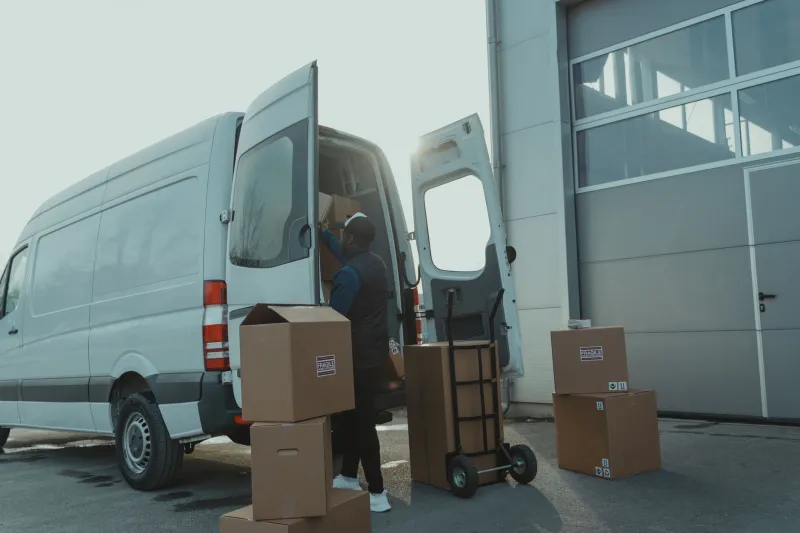
At 7am the van is already the most important dancer in the company. It is reversed into the loading bay, back doors open, and a row of cases looks back at us like a cast waiting for a cue. Four dancers, one production manager, a costume rail, two rolls of floor, a box of cables and a kettle that has seen things. The day’s first choreography is not in the studio. It is in the order we pack.
That might sound like an odd thing for a dance company to say. But anyone who has toured a small show around the UK knows the truth: logistics are creative work. They are constrained, sequenced, rehearsed and occasionally improvised. Get them right and nobody notices. Get them wrong and the whole day collapses in a car park in the rain.
The packing list is a score
A good van pack is not a game of Tetris played in a bad mood. It is a plan with counts. Heavy cases go low and forward. Soft bags sit on top. Floor rolls go in last if they are first out, or first if they are last out — depending on the get-in. Costumes travel flat and clean, away from anything with a wheel. The kettle is non-negotiable.
At Joss Arnott Dance, the load list is treated like a running order. Each case has a job and a place, and most have a number. That numbering is not admin for its own sake. It tells a tired dancer at 10.30pm which box can stay put and which one has to come out first at the next venue. It turns a pile of stuff into a sequence.
The creative part is the problem-solving. A van has weight limits. A stage door has a narrow corridor. A venue might have a lift the size of a wardrobe or a ramp with a lip that catches wheels. The pack has to answer those questions before anyone arrives. In that sense, the van is a rough draft of the day.
Boot to stage: the relay
The get-in is where the choreography becomes visible. One person opens the van. Another calls what comes next. Dancers become porters, then riggers, then warm-up artists, then performers. The relay only works if the order is shared.
Case one might be floor. Case two might be the frame and weights. Costume rail after that, then sound and cables, then the day bags. If the wrong case is buried at the back, the whole line stalls. Someone climbs over something. A door gets propped. A crew member waits. The clock keeps going.
Good loading order is not about being precious. It is about respecting the people who will lift, carry, rig and focus the show. It is also about respecting the audience, who have bought a ticket for a performance and not for a story about a missing adaptor. When the relay runs smoothly, the stage is ready sooner and the company gets something priceless: a proper warm-up.
Weather is a collaborator
In the UK, the forecast is part of the production team. A wet load-in changes everything. Cases need covers. Cable needs drying. Floor needs a clean, dry path. A seafront venue with a force-five wind is a different job from a city centre theatre with a covered bay.
Producers watch weather the way dancers watch a count. Will the van get stuck on wet cobbles? Is there a low bridge on the access road? Does the loading bay have a time slot that clashes with the school run? These are not glamorous questions, but they are choreographic ones. They decide the tempo of the day.
Weather also changes the order. If rain is due at 2pm, the outdoor bits of the get-in happen first. If the van has to be moved by 4pm, the heavy cases come out early and go back late. The plan breathes. That is not chaos. That is rehearsal.
The get-in has counts
Every experienced touring company has its own language for this. “Two on the ramp.” “Hold that case.” “Costume first, then cables.” “Ten minutes to warm-up.” It sounds mundane, but it is a shared rhythm. Dancers who understand the get-in are easier to work with because they can see the whole day, not just their own entrance.
Aspiring performers often think touring is about the stage. It is also about the threshold between the van and the stage door. Learn the load list. Ask where your bag goes. Keep your own kit compact and labelled. Do not put your shoes in the case that holds the sound desk. These small habits mark you out as someone who has done the job, or at least someone who is ready to learn it.
For aspiring producers, the lesson is similar. Make a load plan and share it. Number the cases. Ask the venue about access before the day. Build in a buffer for the thing nobody predicted — and something always goes unpredicted. The best logistics do not look clever. They look calm.
The invisible first performance
After the show, the get-out runs the sequence in reverse. Everyone is tired. The van seems smaller. The cases are heavier. And still the order matters. Floor last out, floor first in. Costume rail covered. Cables coiled. Kettle somewhere findable.
By the time the doors close, the day has been built twice: once in the venue and once in the van. The audience saw the dancers. They did not see the relay, the weather checks, the numbering or the quiet negotiation at the stage door. That is fine. The best stagecraft is often invisible.
But make no mistake — the van sets the tempo. It is the first dancer on call, the first company member at the kerb, the first thing to ask whether today will work. Pack it well, and the performance has already begun.