Rooms With Opinions: Choreographing Dance for Village Halls, Libraries and Community Centres
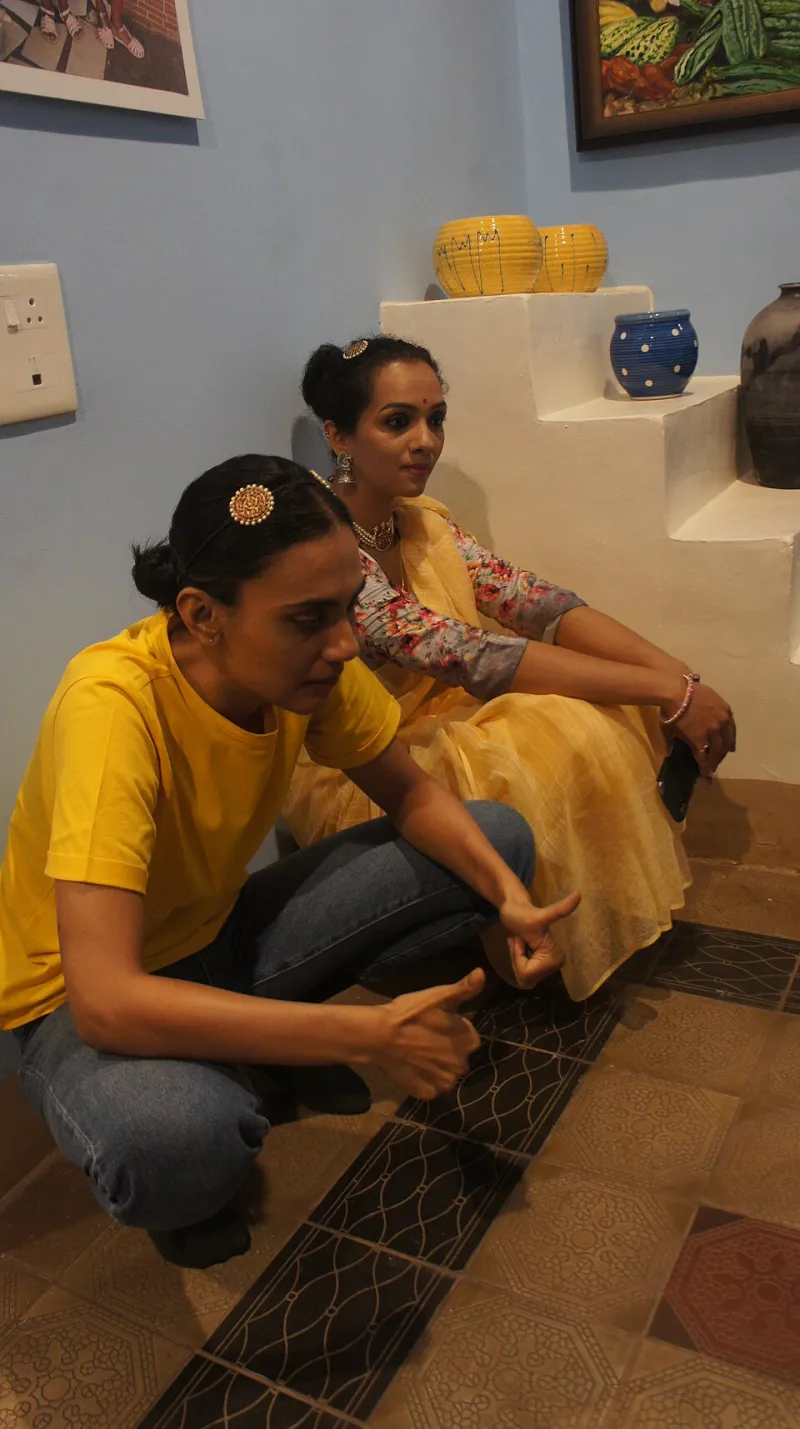
Photo: Fredericknoronha, CC BY-SA 4.0, via Wikimedia Commons
There is a particular sound a dance piece makes when it meets a village hall. A slight pause. A shuffle of chairs. Maybe a radiator. It is not the hushed expectation of a theatre, and that is fine. The room has opinions, and the sooner the choreographer listens to them, the better the work will be.
Taking contemporary dance beyond black-box theatres is not a new idea, but in 2026 it remains one of the most useful creative challenges a company can take on. Village halls, libraries, community centres and rural touring venues ask different questions of a piece. Can it be seen from a plastic chair in the third row? Does it survive a pillar? What happens when the audience is close enough to hear the dancers breathing?
At Joss Arnott Dance, the conversation often starts with a simple question: what does this room want? Not what can we force it to become.
Start with a floor plan, not a fantasy
Before anyone books a rehearsal, ask for the basics. Dimensions. Ceiling height. Pillar positions. Door swings. Power sockets. Whether there is a stage, raked seating, fixed shelving, a piano nobody can move or a kitchen hatch that opens halfway through the show. Photographs help. So does a site visit, even a short one.
Then make a scale ground plan. It sounds dull. It is also the difference between a piece that tours and a piece that spends the get-in apologising. Mark where the audience will sit, where the dancers will enter, where the floor is uneven and where the sightlines collapse. A library aisle is not a wing. A community centre curtain is not masking. Treat every boundary as part of the choreography rather than an obstacle to be hidden.
The pillar is a partner, not a problem
Most non-theatre venues have at least one feature that would make a theatre technician sigh. A pillar. A low beam. A bookshelf that cannot move. A stage that is really a slightly raised platform with a squeak.
Instead of pretending these things are not there, build them into the work. A pillar can become a masking point, an entrance, a place to disappear behind or reappear from. In a library, shelves can create corridors and depth. In a village hall, the gap between the front row and the wall can become a performance space if the seating is arranged with intent.
The key is not to hide the room. It is to make the room legible. If the audience spends the first ten minutes wondering whether a dancer is about to walk into a pillar, they are not watching the dance. If the choreography uses the pillar deliberately, they stop worrying and start looking.
Sightlines are choreography
Theatre seating usually slopes. Village hall seating usually does not. That flat floor changes everything. Floorwork that reads beautifully in a black box can vanish behind a row of heads. A subtle hand gesture can be lost entirely.
Test the work from the worst seat in the room. Not the best. Not the middle. The back corner, next to the tea urn, behind the person who always arrives late. If a key moment cannot be seen from there, either move it, raise it, repeat it at a different level or accept that it is a close-up detail for the front row only.
This does not mean every gesture has to be big. It means the choreography needs levels. A phrase can travel from floor to standing, from upstage to downstage, from solo to group, so that different parts of the audience catch different things. In a room with no rake, the back row is not an afterthought. It is a scene partner.
Sound in rooms that echo
Many non-theatre venues were not designed for amplified sound. Libraries have hard surfaces and a need for quiet. Village halls can boom. Community centres can rattle. A score that sounds rich in a theatre can turn muddy in a room with a low ceiling and a lot of glass.
Travel with a compact PA and test it at audience height, not just at the sound desk. Walk the room while the track plays. Listen for bass that makes shelves buzz or mids that disappear under the chatter of an audience settling in. Consider having an acoustic section or a quieter version of a cue. It is not a compromise; it is a second orchestration.
And always have a backup. A laptop, a cable, a playlist on a phone, a person who knows how to press play. The romance of live performance is lovely until the adaptor fails.
Proximity changes the work
When the audience is three metres away rather than thirty, everything changes. Eye contact matters more. Breath matters more. A small gesture can feel enormous. A big gesture can feel aggressive.
This is where non-theatre touring gets interesting. Dancers cannot simply project the same performance outward. They have to let the audience in without forcing them to participate. Seating should have clear pathways. Front rows should not feel trapped. If the work invites closeness, it should also give people permission to look away, shift in their seat or leave if they need to.
That is not a softer version of the piece. It is a more precise one. The room is asking the performers to be honest, and audiences tend to notice when they are.
A practical checklist for 2026 touring
Ask for venue photographs and a floor plan. Make a scale drawing. Mark sightlines, pillars and power sockets. Create two versions of any key moment: one for theatre, one for close-up. Rehearse in a non-theatre room before the tour starts, even if it is a rehearsal studio with the chairs arranged badly. Travel with tape, weights, extension leads and a small PA. Brief front-of-house staff on what the piece needs and what it does not. Leave time for a reset.
None of this is glamorous. All of it is choreographic.
Village halls and libraries are not lesser venues. They are rooms where dance meets people who might not otherwise buy a ticket. They are also rooms that will tell you very quickly whether a piece is robust. A pillar in the middle of the floor is not a threat. It is a test of whether the choreography is really listening.