Staying in the Room: Why the Best Dance Conversations Happen After the Curtain Call
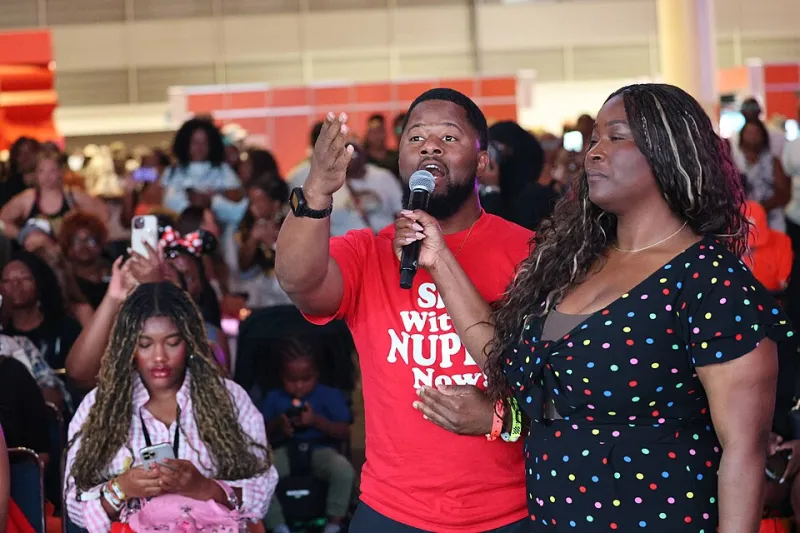
Photo: Cameron Woods, CC BY-SA 4.0, via Wikimedia Commons
The curtain call lands, the applause fades, and half the audience reaches for coats while the other half hovers, curious but unsure whether to stay. That little pocket of time after a dance performance is either a gift or a dead zone. Too often it becomes a dutiful add-on: a row of artists under bright house lights, a host with a clipboard, and a handful of questions about “where the idea came from”. Nobody is at their best. The audience is tired, the company is knackered, and the bar is calling.
But a good post-show conversation can do something rare. It can turn a night out into a relationship with contemporary dance. Not because every audience member leaves wanting to become a dancer, but because they leave feeling that the work was made by people, for people, and that their own curiosity has somewhere to go next.
The bit after the bit
Let’s be honest: dance can feel exposed in a talkback. Movement often communicates before language catches up, and asking artists to explain the work can flatten it. The trick is not to ask for a translated script. The trick is to invite a conversation around the work — about choices, accidents, disagreements, music, space, stamina, failure, delight. Audiences don’t need a lecture. They need a way in.
For touring companies in the UK, the post-show discussion is also a practical bridge. A mid-scale venue in, say, Hull or Plymouth may be hosting a dance show for one night only. The talkback is a chance to make that single night feel less like a drive-by and more like a conversation the venue can continue — through workshops, mailing lists, artist Q&As, or simply a warmer welcome next time.
Formats that don’t feel like a school assembly
The default panel — three artists behind a table, one host, a sea of empty seats — is not the only option. A few alternatives worth trying:
- The 20-minute artist-led conversation. Keep it tight. One artist or a dancer and producer host a short, focused chat with two or three prepared prompts, then open the floor for ten minutes. A hard stop respects everyone’s time and often makes the discussion sharper.
- The two-way format. Instead of the audience asking all the questions, the company asks them one: “What did you notice first?” or “Where did your attention drift?” This flips the room from interrogation to exchange and usually gets better answers than “Can you explain the ending?”
- The object or image prompt. Put a single image, object, or word on a screen and ask the audience what it brought to mind. It gives people who feel shy about “not knowing dance” a way to speak without feeling tested.
- The short movement response. If the space allows, invite a dancer to repeat a phrase from the work and unpick one choice inside it — a shift of weight, a change of direction, a pause. Audiences often find this more illuminating than a verbal explanation.
- The roaming mic with a host who listens. A host who moves through the space, takes questions from different parts of the room, and gently keeps things moving can make a talkback feel like a conversation rather than a press conference.
Hosting is a craft, not a formality
A good host is not there to fill silence. They are there to create permission. That means introducing themselves and the company clearly, explaining the shape of the next 30 minutes, and making it obvious that questions are welcome — including questions about funding, touring, training, or why the floor was sticky. Curiosity about the machinery of dance is not a distraction from the art. It is part of the art’s public life.
A few hosting habits make a real difference. Start with a question that is easy to answer. Avoid opening with “So, what was your inspiration?” — it invites a press-release answer. Instead try: “What was the first thing you wanted the audience to notice?” or “Which section changed most in the studio?” Those questions invite specificity.
Don’t let one voice dominate. If the same person asks the third question in a row, thank them and widen the net: “Let’s hear from someone at the back.” And don’t be afraid of a little disagreement. A talkback does not need unanimous applause. It needs enough safety for people to say, “I didn’t get that bit” without feeling they’ve failed the evening.
Questions worth asking
If you’re programming or hosting a talkback, keep a small bank of prompts in your pocket:
- What did you notice in your body while you were watching?
- Was there a moment when you lost the thread — and what brought you back?
- How did the music or sound change how you read the movement?
- What did the space make possible, or impossible?
- Which choice in the work would you most like to ask the dancers about?
- What would you tell a friend who had never seen contemporary dance before?
For artists, the most useful questions often come from the audience’s ordinary expertise: watching, waiting, feeling bored, feeling moved, wondering what happens next. Treat those responses as data, not judgement.
From one night to a relationship
The real value of a talkback is not the 30 minutes themselves. It is what happens afterwards. A company can turn a good conversation into a lasting connection by making the next step easy: a QR code for the mailing list, a short list of upcoming workshops, a link to a behind-the-scenes film, a note about the local class or youth group the venue partners with. Nothing pushy — just a clear door.
At Joss Arnott Dance, the interesting question is always how a performance night can leave something behind. A talkback is not an afterthought if it is designed as part of the evening’s dramaturgy. It can be warm, brisk, funny, awkward, revealing. It can make contemporary dance feel less like a closed code and more like a room you’re allowed to stay in a little longer.
So next time you’re on the way out and someone hands you a microphone, stay. The best bit might not be over yet.