Ready for the Call: Inside the Quiet Craft of Covering a Role on Tour
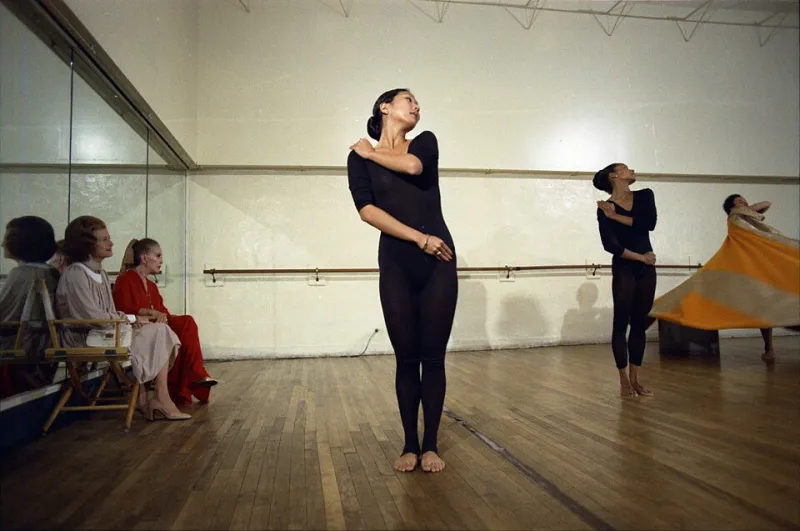
Photo: Unknown authorUnknown author or not provided, Public domain, via Wikimedia Commons
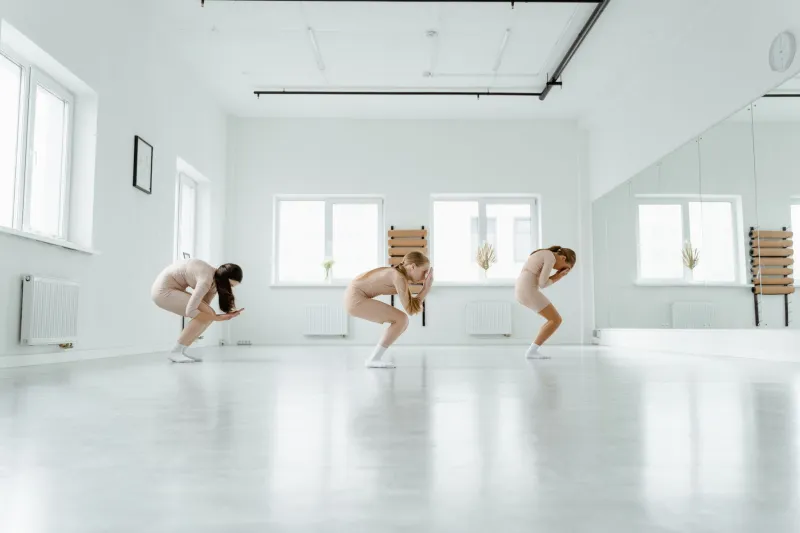
On a touring day, a theatre can feel like a small village. There is a stage manager with a clipboard, a wardrobe team with a rail of costumes, a lighting desk blinking into life, and dancers warming up in corridors that smell faintly of coffee and rosin. Somewhere in that bustle is the cover dancer: the person who knows more than one role, watches more closely than most, and hopes the call never comes — while preparing as if it will.
I spoke to a Joss Arnott Dance company member who regularly covers roles in the current touring repertoire. She asked to be referred to as R, partly because cover work is meant to be invisible until it is not. ‘The job is to be ready without making a fuss about being ready,’ she says. ‘You are not waiting to be a hero. You are waiting to be useful.’
The job you hope you never have to do
Covering a role is not simply learning someone else’s steps. In contemporary work, a role is a web of timing, spatial pathways, breath, gaze, partnering and quality. A cover dancer has to absorb all of that while also staying inside their own body. They attend cover rehearsals, watch run-throughs from the wings, scribble notes in the dressing room, and mark phrases in hotel corridors when the day has gone sideways.
R describes it as a kind of double attention. ‘You are learning the shape of the role, but you are also learning the shape of the show around it. Where do you enter? Who do you pass? What does the lighting do? What does the music leave out? The steps are only one layer.’
Learning in layers, not lines
One of the most useful things R told me is that cover dancers do not learn a role once. They learn it in layers, then keep refreshing those layers as the production settles. First comes the skeleton: the counts, the spatial score, the exits and entrances. Then comes the texture: the breath, the weight, the moments where the movement should feel suspended or grounded. Finally comes the detail: the glance to a partner, the tiny pause before a lift, the way a phrase changes when it is performed rather than marked.
Cover rehearsals are different from main rehearsals because there is no opening night pressing on the room. Dancers can stop, ask the same question twice, test a transition from both sides, or walk a sequence slowly without worrying that they are holding up a premiere. ‘It is a rehearsal room without the adrenaline,’ R says. ‘You can be curious. You can say, I do not understand what happens between these two counts. That is a luxury.’
The warm-up that is not about you
Staying performance-ready across a UK tour is a practical discipline. Company class matters, but so does the smaller, less glamorous routine around it. R talks about keeping the engine warm without burning fuel: ankle drills, spine waves, hip rotations, breath work, and a short personal phrase from each role she covers. On a two-show day, she might not do everything at full tilt. She does enough to remind her body what it knows.
There is mental preparation too. She runs counts in her head while watching from the wings. She writes cues in a notebook — not a script, more a map. ‘I write things like: listen for the low bass note, find the upstage corner, wait for the partner’s hand to open. It is not poetry. It is navigation.’
That navigation is tested most when the call actually comes. A dancer wakes up unwell, a train is delayed, an ankle tweaks in the warm-up. Suddenly the cover is on. The company does not panic — or if it does, it panics quietly and professionally. The stage manager confirms timings, wardrobe adjusts a costume, a partner talks through a lift, and the cover dancer finds the nearest person who knows the show.
When the count changes
R says the first task is not to prove you know everything. It is to locate the people who can fill the gaps. ‘You tell the person next to you what you need. You say, remind me of the crossing after the second duet. You ask for a hand on the lift. You are not stepping into someone else’s shoes; you are stepping into your own version of the role.’
That version will not be identical to the dancer who usually performs it, and it does not need to be. What matters is that the world of the piece holds. The ensemble adjusts, the timing breathes, the stage manager calls the cues, and the audience gets a show that feels whole rather than patched together. ‘The audience does not need to know,’ R says. ‘The company does. That is where the trust lives.’
What aspiring dancers can borrow
For students and early-career performers, cover work offers a brilliant training ground even if they are not officially understudying anyone. Learn the person next to you’s phrase as well as your own. Watch rehearsal with a notebook. Practise marking a sequence without a mirror. Build a five-minute reset routine you can do in a corridor: breath, feet, spine, focus. Ask questions before you need the answers.
R’s advice is simple: be generous with your attention. ‘The best covers I have seen are not the ones who memorise the most. They are the ones who listen, who watch, who make themselves easy to trust. You are part of the company whether you are on stage or not.’
That is the cover dancer’s creed, really. Stay curious. Stay warm. Stay ready. And if the count changes, step in with your ears open and your hand out.